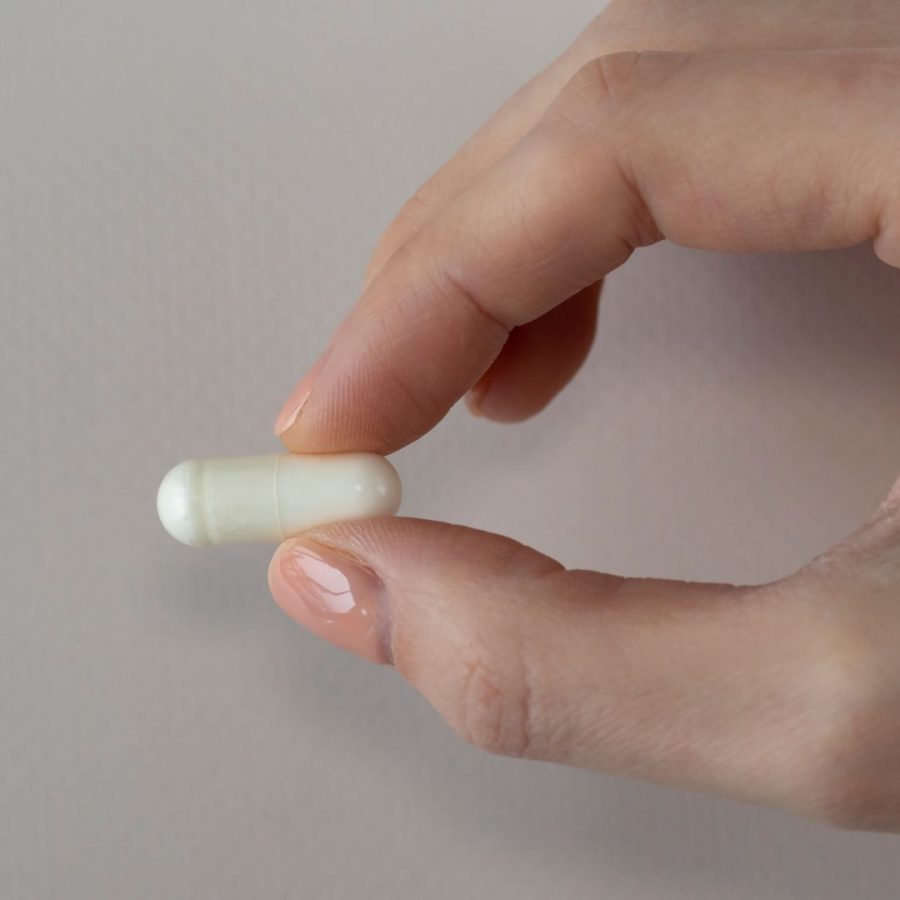
As dedicated fitness enthusiasts, it’s safe to assume we all understand the importance of adequate protein intake for strength development and overall longevity. While integrating this powerful macronutrient into our everyday diets is rightfully revered in the fitness community, it can sometimes cause us to lose sight of other powerful components – very notably, essential micronutrients.
It’s important that we give the cellular engine that powers our performance the nutrients and replenishment it deserves.
Why Micronutrients Matter in Athletic Performance
When you push yourself during an intense workout, your metabolic system begins to ramp up. This intense physical strain on your body creates a huge demand for specific vitamins and minerals that support recovery.
Micronutrients are essentially cellular fuel for our bodies, helping us maintain immune function, healthy metabolism, and many other biochemical processes we require to stay healthy and feel great. Unfortunately, many gym-goers neglect these important components, assuming that an all-in-one multivitamin can properly fill these gaps.
In athletic settings, micronutrients play a huge role in energy production and tissue repair. Without them, your macronutrients can’t be processed efficiently. When our bodies are deficient in key minerals, recovery slows down considerably, preventing us from experiencing the true peak of our athletic performance.
To maintain an elite level of strength and endurance, treating micronutrition with tactical precision is nonnegotiable. The first step is to understand how key minerals and vitamins impact our bodies, which helps us make strategic supplementation to boost our training and recovery.
1. Magnesium: The Ultimate Recovery and Sleep Catalyst
If you’re serious about your training, taking magnesium can be a game-changer. This mineral is responsible for hundreds of biochemical reactions in our bodies. Two notable functions that magnesium impacts for athletes are muscle contraction and energy production. When you work out a lot, your body loses magnesium. When it isn’t adequately restored, it can lead to cramps, fatigue, and slowed recovery.
Magnesium is also a highly beneficial mineral for improving sleep quality. Sleep is essential for improving your performance in the gym, as that’s when our bodies release growth hormones and repair the micro-tears accumulated during resistance training. Magnesium helps our muscles relax, which calms our central nervous system and prepares our bodies for a night of deep, restorative sleep.
Before you add a magnesium supplement to your cart, understanding its different forms and how they affect our bodies is imperative. If you’re looking to improve sleep and recovery, Magnesium Glycinate is the best option, as it has the amino acid required to create the relaxing effect, while being the most bioavailable form of the mineral.
Alternatively, athletes who are more focused on reducing cramps are advised to choose Magnesium Citrate, which helps our bodies draw water into the intestines and greatly improves hydration.
2. Iron: Distributing Oxygen to the Muscles That Need it
Imagine how impossible training would be if you didn’t have oxygen. Iron is what carries oxygen from your lungs to your muscles, making it absolutely integral to endurance and great performance.
Ironically, athletes are often at greater risk of iron deficiency, as intense training causes iron loss and increases the body’s demand for red blood cells. Without addressing a serious iron deficiency, your training suffers because your body can’t efficiently clear the waste products of exercise.
Furthermore, our bodies have a harder time absorbing iron for hours after a workout due to a specific inflammatory response, underscoring the importance of careful timing.
If you want to up your iron intake, great sources include red meat and seafood, which contain heme iron that our bodies absorb best. These foods are also rich in protein, allowing you to hit two important nutritional goals in one meal.
3. Zinc: Essential for Healthy Hormonal Levels
Zinc is a highly underrated mineral for recovery. It helps us restore tissue and put on lean mass while being a key contributor to healthy testosterone production. Even when you have a slight deficiency in zinc, it can cause your T-levels to tank, which largely impacts your strength gains and overall drive.
Our muscle fibers experience high levels of wear and strain during a workout, triggering an immune response. Zinc is a primary coordinator during these restorative processes, driving key reactions such as cell division and protein synthesis. If our bodies do not have sufficient zinc levels, this recovery process can take longer, leaving you feeling sluggish and weak, ultimately diminishing your performance during training.
Foods that provide you with this critical mineral include oysters, beef, pumpkin seeds, and chickpeas. If you suspect that your zinc levels are low, consider taking a daily supplement of 15 to 30 milligrams of zinc monomethionine or zinc picolinate.
4. Vitamin D3 and K2: A Power Duo for Explosive Performance
While we call D3 a vitamin, it functions similarly to a hormone. It is especially important for developing that fast-twitch muscle fiber, enabling explosive and powerful movements. Without vitamin D3, the likelihood of developing chronic joint pain and being constantly fatigued increases considerably.
It’s highly recommended that you pair Vitamin D3 with K2 to optimize its effects. While Vitamin D3 promotes calcium absorption, K2 directs that process into your bones and teeth. This combination mitigates arterial calcification while strengthening your skeletal system for high-strain movements like deadlift or squats.
While sunlight is the most notable source of vitamin D3, most of us train and spend most of our time indoors, making supplementation a sensible approach. It’s a simple way to promote joint health while providing you with that extra push on hard training days.
Improving Athletic Performance and Overall Health With Essential Micronutrients
Many fitness enthusiasts emphasize looking good and maximizing gains, but it’s also important that we prioritize feeling good. Thankfully, both these goals actually complement each other with the right foundational knowledge. When you fuel training and speed up recovery with the right micronutrients beyond protein, you boost your athletic performance, launching you toward your athletic and health goals.
